
Psychodrama & the Power of Imagination
Psychodrama & the Power of Imagination
A journal note on imagination, trauma healing, active visualisation, and symbolic change.

Imagination as a route to healing.
This reflection explores how dreams, play, story, visualisation, and psychodramatic enactment can become part of a healing process.
The power of imagination
Imagination is not treated here as fantasy in the sense of avoidance. It is understood as one of the ways the psyche searches for image, language, role, and possibility.
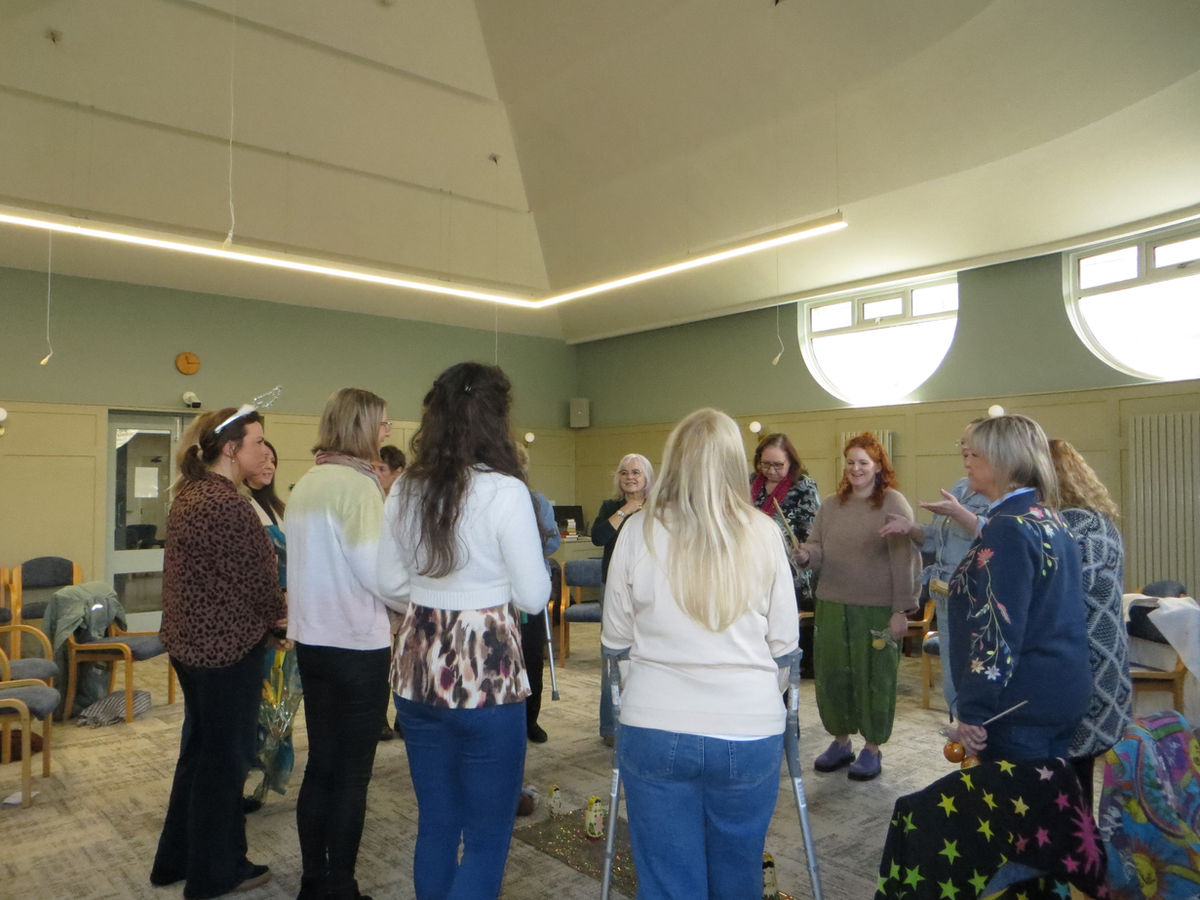
In psychodrama, imagination becomes active. A scene can be built, an inner voice can be given a role, and a new response can be tried in the presence of a held group.
From symbol to action
Role reversal, active visualisation, and surplus reality can help a person connect with hidden inner voices, transform resistant patterns, and imagine a different future.
The work draws on creativity, depth psychology, and embodied symbolism rather than reducing healing to explanation alone.
Making room for a different story
People often arrive with a story that has become too narrow. Imaginative action can widen the story without losing contact with reality.
The result is not a performance. It is a practical way to rehearse truth, resource, repair, and choice.
Ask about working with Biggi.
Send a short enquiry about therapy, psychodrama groups, workshops, supervision, retreats, or the best route into the work.